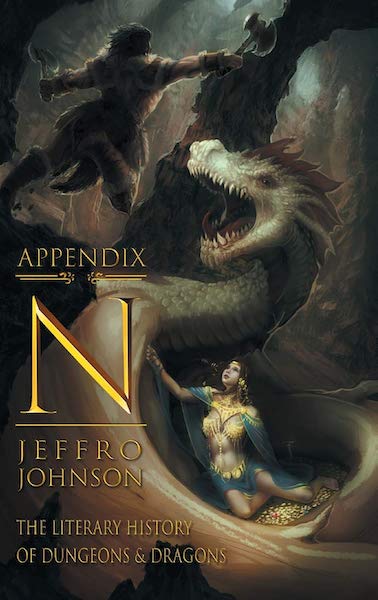
In recent years Appendix N in the AD&D Dungeon Masters Guide has been discussed by RPG fans online. A series of posts by Jeffro Johnson at Castalia House convinced me reading through the list would be a worthwhile project. I started with Johnson’s own book. It gave an excellent survey of the topic and introduced each author. Johnson’s speculations on how the authors probably influenced D&D were convincing. I highly recommend his book Appendix N, The Literary History of Dungeons & Dragons.
From there I started working my way through the Appendix N list. Because many authors are listed without works, every person making a journey through Appendix N has to decide for himself what to read. After careful reading of articles and blog posts, I knew which authors held no appeal for me. Lin Carter, August Derlith, Gardner Fox and Margaret St. Clair were authors whose works I didn’t read. I am well acquainted with what these 4 authors contributed to D&D and have read multiple articles on their careers and the books of theirs listed in the Appendix N list. Likewise, I avoided Fallible Fiend by L. Sprague De Camp and Blue Star by Fletcher Pratt. Nothing against those authors but I knew those books weren’t for me. To make up for my omissions I added two authors Gygax probably would have liked and read more books by the authors on the list. No bare minimums for me.
I’ll discuss the authors and share some cover photos. I’ll conclude with what the project did for me.
POUL ANDERSON
- Three Hearts & Three Lions
- The Broken Sword
- The High Crusade
- Swordsmen from the Stars (DMR Books)
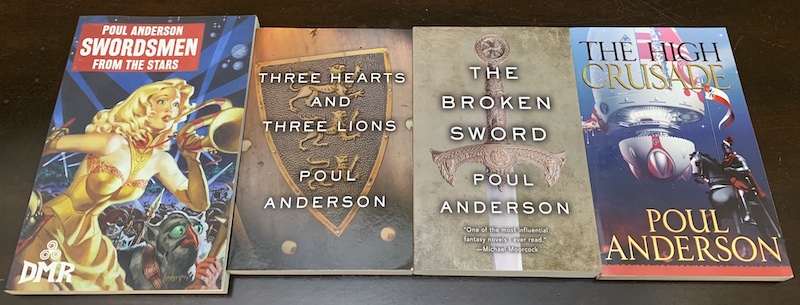
Every science-fiction fan growing up in the 80s heard about Poul Anderson. I hadn’t read any of his work until this project. He was a versatile & talented author. Better known for his sci-fi work, he did plenty of fantasy. He was never hooked into the publishing industry’s ploy of thick doorstopper novels or never-ending series. Three Hearts & Three Lions was very influential on D&D while The High Crusade supported the humor we saw in the 3 core books of 1st Edition D&D. It was interesting to see Anderson’s earliest fantasy writing started out as Conan imitation. I’d like to take the time to read his Flandry & Technic Civilization novels.
JOHN BELLAIRS
- The Face in the Frost
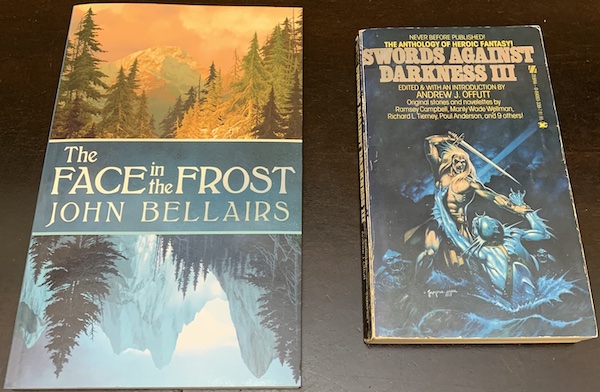
One of the off-beat fantasy novels of Appendix N. It helps gamemasters to break the sometimes oppressive mold of epic fantasy. It can help us remember that light-hearted, fun fantasy adventures are equally a part of the D&D tradition.
LEIGH BRACKETT
- The Best of Leigh Brackett
- The Sword of Rhiannon
- The Mercurian, 3 Tales of Eric John Stark
- The Book of Skaith, The Adventures of Erick John Stark
- Heroes of Atlantis & Lemuria (DMR Books)

Wife of Edmond Hamilton & script writer for Empire Strikes Back, Brackett was a great author. The Eric John Stark stories are not to be missed. Not all of her fiction features tough guy heroes but when she wrote them, she wrote them memorably.
FREDRIC BROWN
- The Best of Fredric Brown
- The Fredric Brown Megapack
- The 2nd Fredric Brown Megapack
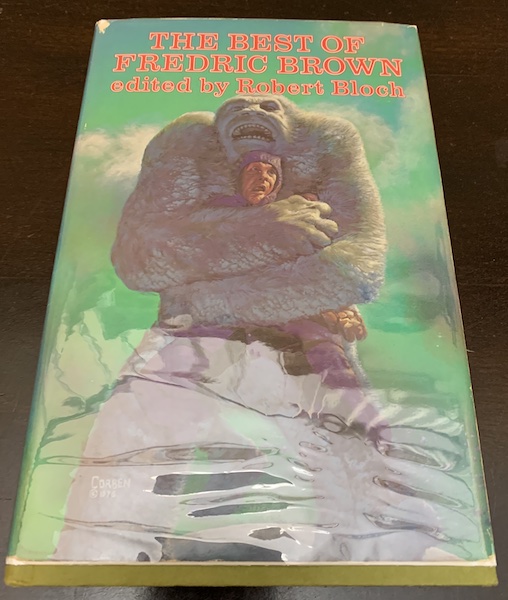
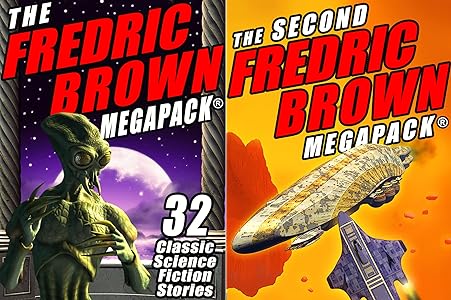
I had never heard of Brown. His sense of humor & skill with surprise endings proved he was a master of the short story. He turned to writing detective fiction later in his career but his sci-fi short stories are well worth your time.
EDGAR RICE BURROUGHS
- Tarzan of the Apes
- The Return of Tarzan
- The Beasts of Tarzan
- At the Earth’s Core
- Pellucidar
- A Princess of Mars
- The Gods of Mars
- The Warlord of Mars
- Pirates of Venus
- Lost on Venus
- Carson of Venus
- Escape on Venus
- The Wizard of Venus
- Edgar Rice Burroughs Complete Works (Delphi Classics)
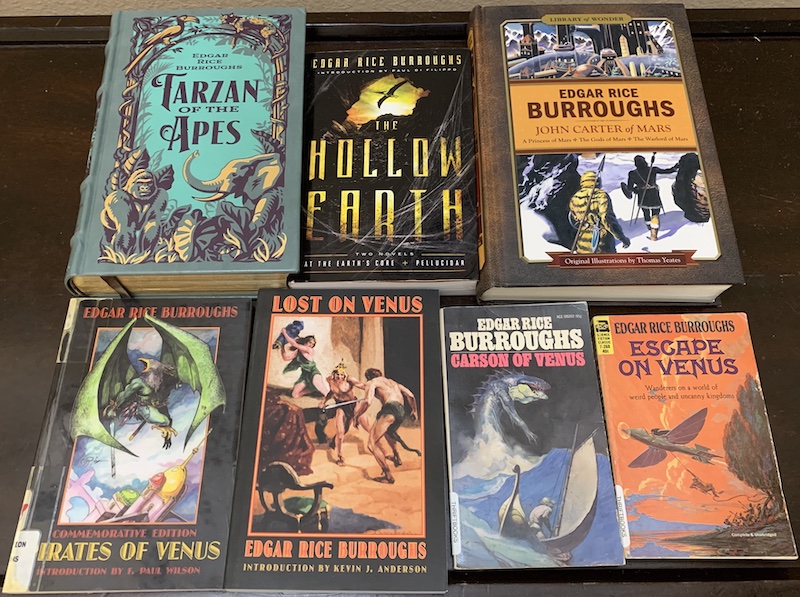

I had heard of ERB here & there but never thought of reading him. I almost missed out! Although his Mars stories are my favorites I like all of his books that I’ve read. It’s no wonder he inspired so many of the other Appendix N authors. I want to make time to read the Mars novels after the first 3.
L. SPRAGUE DE CAMP
- Lest Darkness Fall
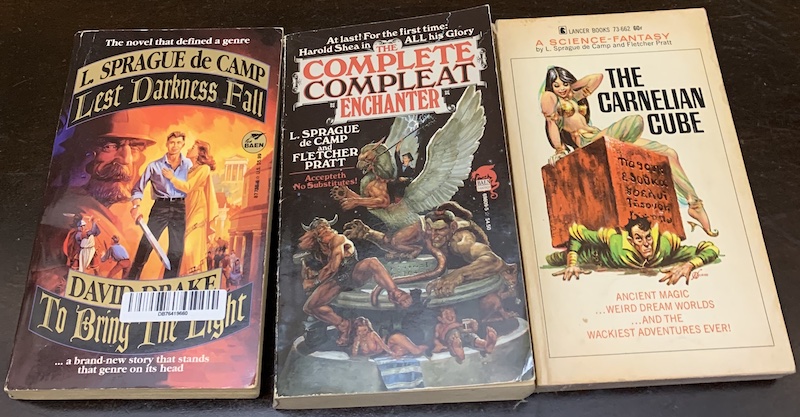
He was clever but his sensibilities & sense of humor don’t quite appeal to me. He made his career writing Conan stories but I’ve never heard they were better than ok.
L. SPRAGUE DE CAMP & FLETCHER PRATT
- The Complete Compleat Enchanter
- The Carnelian Cube
These two authors had compatible senses of humor & probably enjoyed working together. The Enchanter stories, although a little too silly for most of us, undoubtedly influenced D&D. The green dragon, the notion of random encounters, so many more items you’ll see if you read the stories. The Carnelian Cube was an experimental book that, while interesting in parts, didn’t satisfy as a story.
LORD DUNSANY
- The Book of Wonder
- The Last Book of Wonder
- The King of Elfland’s Daughter
- In the Land of Time
- The Complete Works of Lord Dunsany (Delphi Classics)
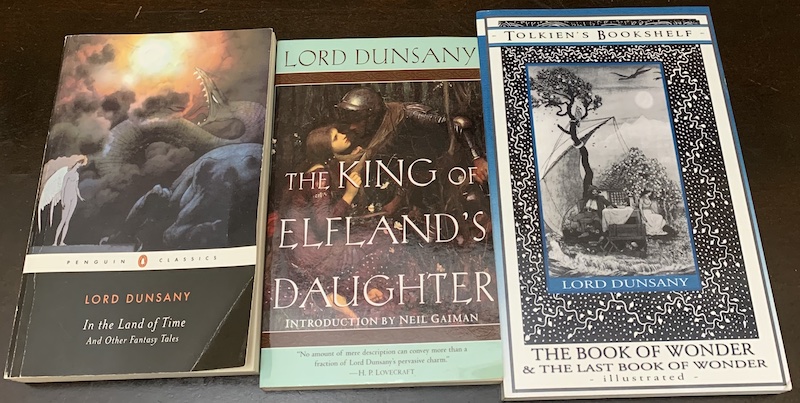
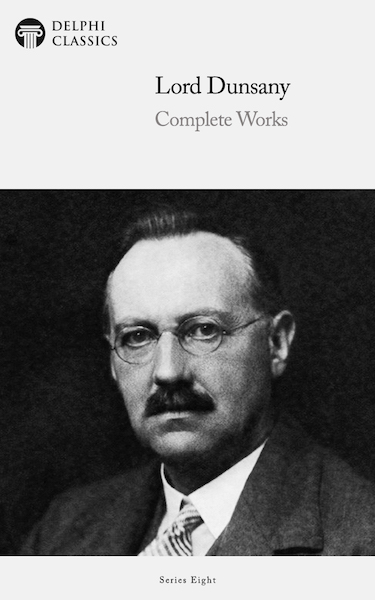
Another author I’d heard of but never thought of reading. I’m so glad I took the time. King of Elfland’s Daughter is an important book in fantasy fiction. Early in his career his fantasy was quite creative but his odd sense of humor can be offputting. Later in his career he turned away from humor & it was probably for the best. His humor turned many of his fantasy stories into farces. His coverage of mainland Europe after World War I was chilling. Although his Gods of Pegana stories have been widely praised, I found them disappointing.
PJ FARMER
- The Maker of Universes
- The Gates of Creation
- A Private Cosmos
- Behind the Walls of Terra
- The Lavalite World
- More Than Fire
- Dark is the Sun
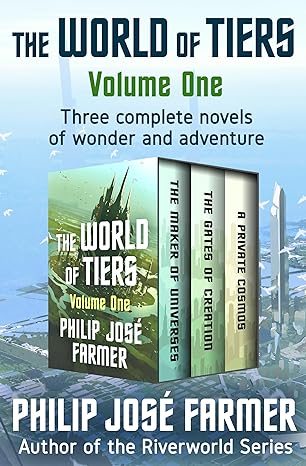
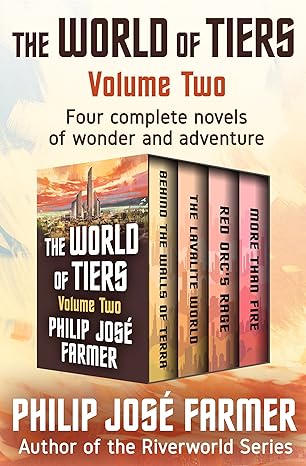
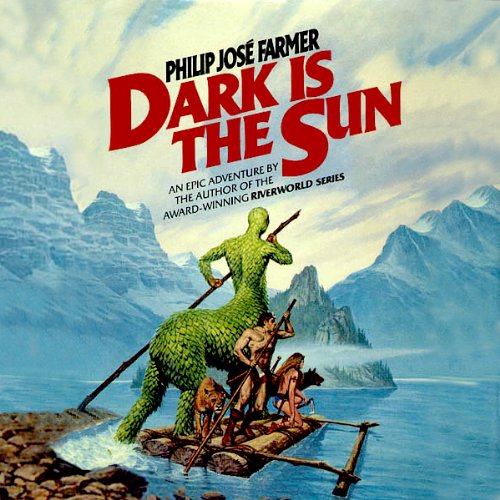
Although a prolific author & versatile in his career, I just don’t click with his outlook on life. The World of Tiers books started out well. He could be quite a creative author but his promotion of sexual liberty pulled down a number of his stories.
ROBERT E. HOWARD
- Kull, Exile of Atlantis
- The Savage Tales of Solomon Kane
- The Coming of Conan the Cimmerian
- The Bloody Crown of Conan
- The Conquering Sword of Conan
- Robert E. Howard Complete Works (Delphi Classics)
- The Collected Poetry of Robert E. Howard 1, 2 & 3
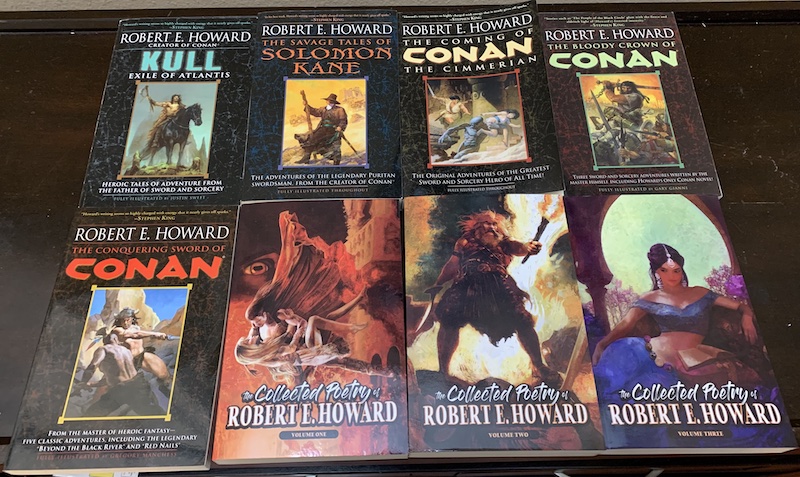
One of the few authors on this list I was reading before I started the project. Howard was an incredible writer. His short stories should not be missed by anyone who enjoys fiction. I was surprised how much I enjoyed the Solomon Kane stories.
STERLING LANIER
- Heiro’s Journey
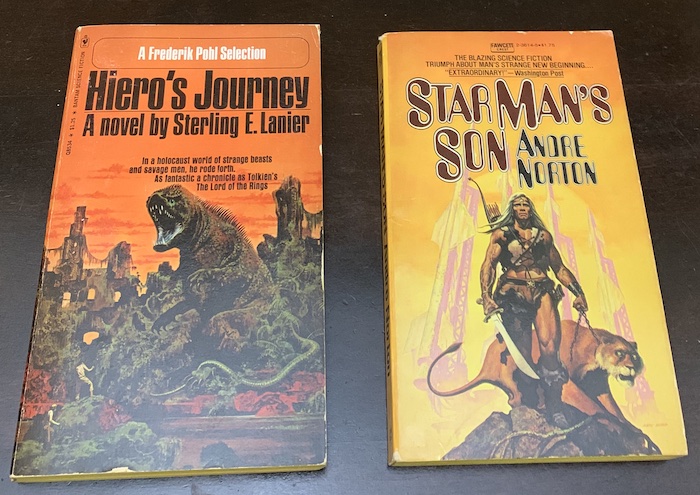
Not my favorite author but it was very interesting to see where some of the ideas in Gamma World came from. The vibe of Heiro’s Journey meshes well with D&D. The heavy-handed plot devices weren’t great but the story is still an enjoyable one.
FRITZ LEIBER
- Swords & Deviltry
- Swords Against Death
- Swords in the Mist
- Swords Against Wizardry
- The Swords of Lankhmar
- Swords & Ice Magic
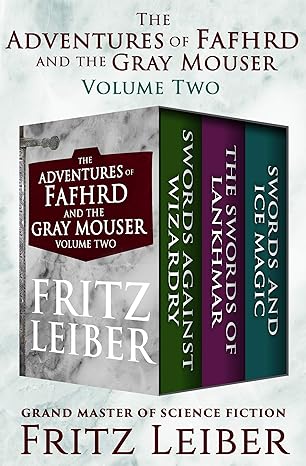
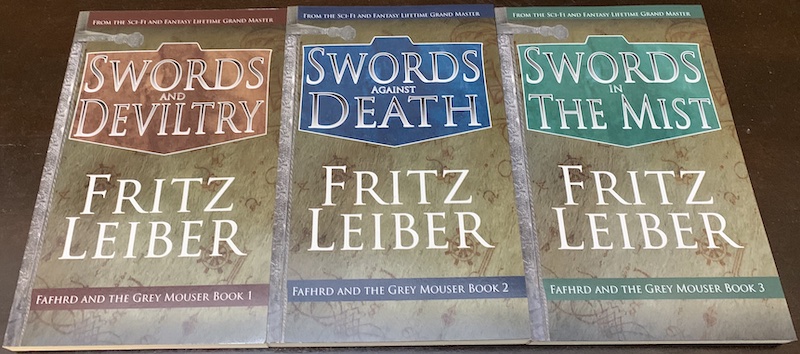
I have seen so many people gush about their love of Fafhrd & the Gray Mouser stories. I just didn’t like them. After reading 6 of the 7 books by the original author I gave myself permission to bow out. Like Moorcock, Leiber was one of the authors that wrote fiction in a fantasy, pre-industrial world where the characters thought & acted just like late 20th century westerners. That appealed to a lot of readers but it always turns me away. However, I will admit those who want to run D&D games in an urban setting can get a lot of ideas from these stories.
HP LOVECRAFT
- The Complete Fiction (Barnes & Noble)

One of the 3 authors I was reading before I started this project. Lovecraft is not to be missed. His weird fiction mixed science-fiction, horror & fantasy in sometimes equal measure. Lots of people complain about him online but don’t believe it. He was an amazing author. Also, he did much to encourage other fiction authors of his day. He started out imitating Lord Dunsany’s style but developed a voice of his own.
A. MERRITT
- The Metal Monster
- The Moon Pool & The Conquest of the Moon Pool
- The Ship of Ishtar
- Burn, Witch, Burn!
- Creep, Shadow, Creep!
- Dwellers in the Mirage
- The Fox Woman
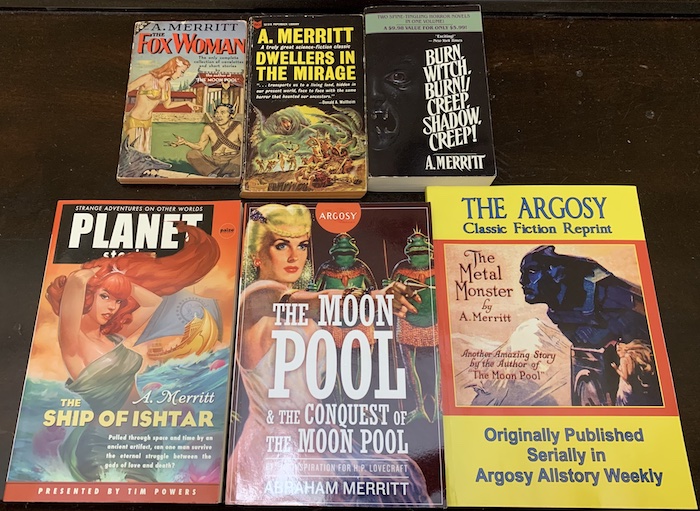
I owe a lot to Jeffro Johnson for giving me the straight scoop on A. Merritt. He was a majorly popular author who was buried by the editors of the big publishing companies in later decades. Small publishers are putting out gorgeous editions of his books. His fiction is top-notch. Considering when he was writing, he was very innovative. His style & pace were so good he was in a league of his own. Don’t miss Ship of Ishtar.
MICHAEL MOORCOCK
- Elric of Melnibone
- The Sailor on the Seas of Fate
- The Weird of the White Wolf
- The Vanishing Tower
- The Bane of the Black Sword
- Storm Bringer
- Elric at the End of Time
- The Fortress of the Pearl
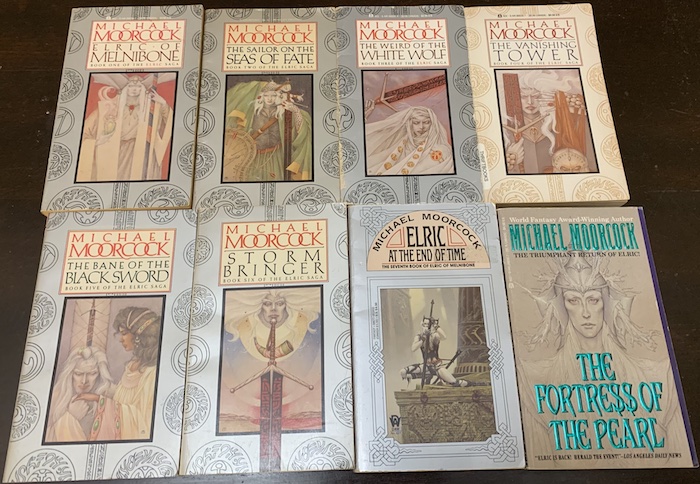
Another author that is very popular but I just couldn’t get into. Elric did not appeal to me as a character. Friends online advised me to steer clear of the Hawkmoon series if I didn’t like Elric. The serving of extra-dimensional lords & the reliance on magic items had big influences on D&D. If you want an example of a serious “on rails” campaign, read Storm Bringer.
ANDRE NORTON
- Starman’s Son
A straightforward, almost no frills post apocalypse story. Norton is a focused, entertaining author. The story meshes very well with D&D’s vibe although it was more influential on Gamma World. I’d like to find more of her work once I have time.
ANDREW J. OFFUTT
- Swords Against Darkness III
Andrew J. Offutt’s “hobbies” got him into a lot of trouble. This collection was decent but I could see his predilections even here. Poul Anderson’s essay is the main reason to read Swords Against Darkness III. I see no reason to read other entries in this series.
FRED SABERHAGEN
- Changeling Earth
- The Berserker Wars
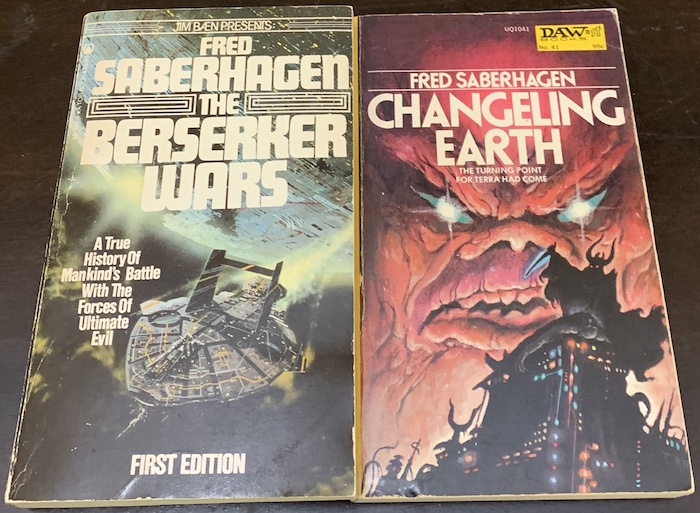
Saberhagen had ideas for stories that I really loved but his writing just wasn’t that great. The result is read-able fiction but not something I’d reach for again when there are better options.
JRR TOLKIEN
- The Hobbit
- The Fellowship of the Ring
- The Two Towers
- The Return of the King
- The Silmarillion
- Tales from the Perilous Realm
- Unfinished Tales
- Tree and Leaf
- Letters from Father Christmas
- Roverandom
- The Monsters and the Critics
- The Letters of J.R.R. Tolkien
- Sir Gawain & the Green Knight, Pearl, Sir Orfeo
- The Fall of Arthur
- Beowulf
- The Legend of Sigurd & Gudrun
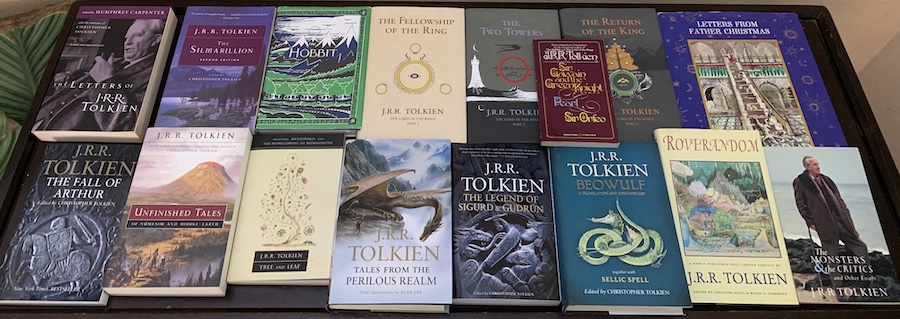
One of the 3 authors I was reading before this project, I’ve always been a fan of Tolkien. The list above would make a true Tolkien fan laugh in derision. However, I’m not trying to be a major Tolkien fan. A sampling of his more prominent works is enough for me.
JACK VANCE
- The Dying Earth
- The Eyes of the Overworld
- Cugel’s Saga
- Rhailto the Marvellous
- City of the Chasch
- Servants of the Wankh
- The Dirdir
- The Pnume
- The Last Castle
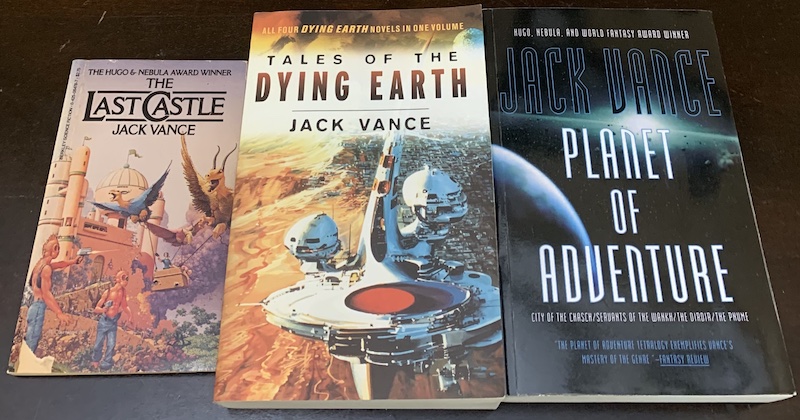
Jack Vance writes fun stories. I should have been reading him earlier. He was obviously an influence on D&D magic & the thief class. Many people think the Dying Earth stories are typical of his fiction. Actually, the Dying Earth stories were a departure. His main characters are usually decent, upstanding heroes. His playful use of language makes his prose enjoyable.
STANLEY WEINBAUM
- The Complete Works of Stanley G. Weinbaum

I had never heard of this author but I’m so glad Gygax included him. Although Weinbaum died young he left us with a wealth of great science-fiction stories. Although people talk up his serious Mars stories he wrote great pulp adventure stories as well. His 3 humorous science-fiction stories about the assistant of a mad scientist are pure genius.
MANLEY WADE WELLMAN
- Heroes of Atlantis & Lemuria (DMR Books)
- Not All A Dream
- The Complete John the Balladeer 1 & 2
- Worse Things Waiting
- Battle in the Dawn, The Complete Hok the Mighty
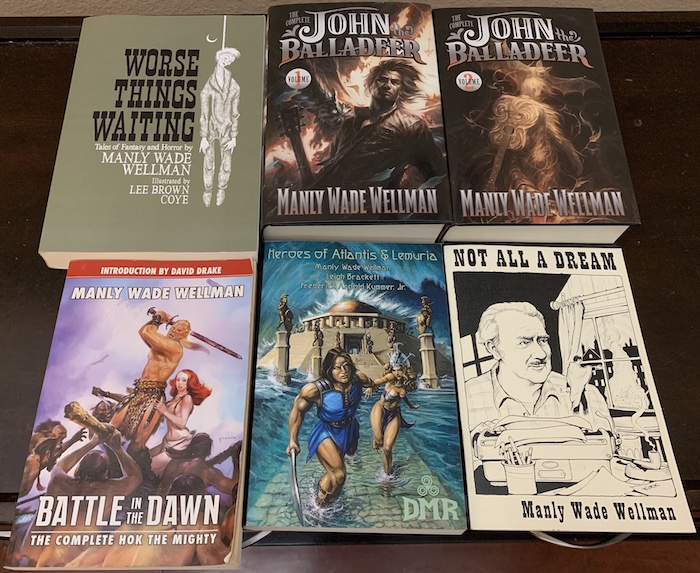
Wellman at his best was pretty good. Unfortunately, a number of his stories can be dull. The John the Balladeer short stories written in the 50s & 60s were good. When Wellman returned to the character in 1979 to write 5 novels they weren’t good. I recommend Worse Things Waiting. A good rule of thumb for Wellman, his earlier fiction was better than his later fiction.
JACK WILLIAMSON
- With Folded Hands
- The Humanoids
- The Legion of Space
- The Cometeers
- One Against the Legion
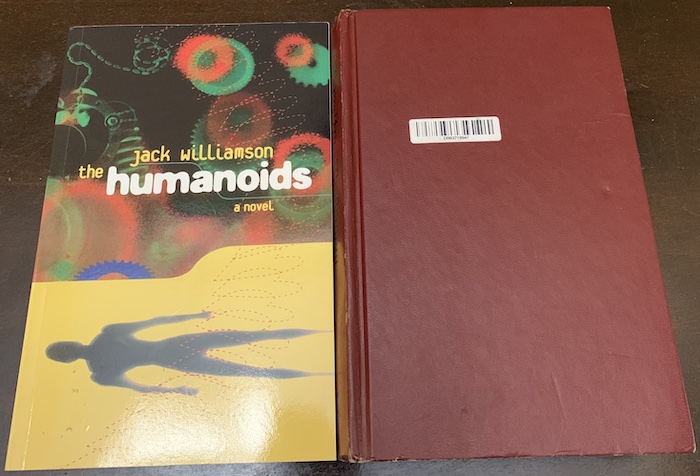
Jack Williamson was a prolific pulp writer. It would take a long time to read his output before passing away. A number of his early pulp stories were quite good. Not the best out there, but certainly entertaining. The Humanoids was abysmally bad but I think he was trying to impress the editors at the big New York city publishing companies when he wrote that.
ROGER ZELAZNY
- Jack of Shadows
- Nine Princes of Amber
- The Guns of Avalon
- Sign of the Unicorn
- The Hand of Oberon
- The Courts of Chaos
- Trumps of Doom
- Blood of Amber
- Signs of Chaos
- Knight of Shadows
- Prince of Chaos
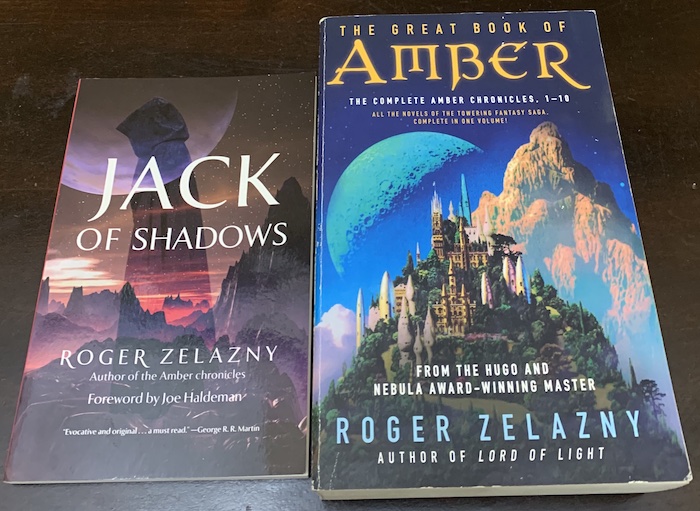
I think I would dig Zelazny more if I was in my 20s in the 1970s. His writing style & subject matter was suffused in 70s popular culture. He was creative but his prose got into minute details so often it bogged down. Jack of Shadows was interesting in parts but after finishing it felt like 2 different books rammed together. A modern novel clumsily stitched together with an old-time fable. Still, the expansive “seize the world” attitude of his main characters is infectious. Certainly good fiction to absorb before a 1st Edition campaign where the players are free to do whatever they think of.
EXTRA – SCHUYLER HERNSTROM
- The Eye of Sounnu
- Thune’s Vision
- The Judgement of Daganha (The Penultimate Men)
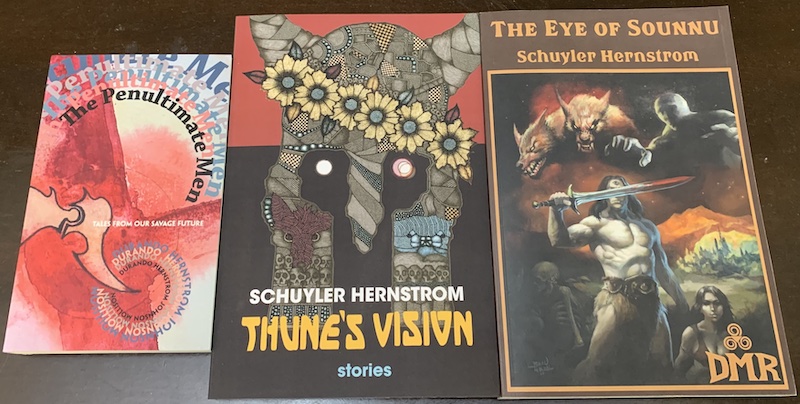
I have no doubt Gygax would have liked Schuyler Hernstrom’s fiction. It has the combination of science-fiction with fantasy plus a post apocalyptic atmosphere that would have placed it on the Appendix N list. Hernstrom hasn’t struck it big yet but his fiction is so good he deserves more readers.
EXTRA – CLARK ASHTON SMITH
- The Book of Hyperborea
- Zothique & Xiccarph
- Eldritch Dark Website
Gygax may have left Clark Ashton Smith off the list intentionally. Now, many of us D&D fans wonder why he wasn’t an Appendix N author. The Averoigne fiction directly inspired the Castle Amber module but for your group it could inspire a lot more. Smith’s vocabulary was not only large but it included many archaic words. An Internet dictionary is a must when reading through his short stories. The Zothique stories take post apocalypse to the next level with large doses of fantasy. His odd sense of humor reminded me of Lord Dunsany. Several of his stories had abrupt, unsatisfying endings because he thought it was funny that way.
CONCLUSION
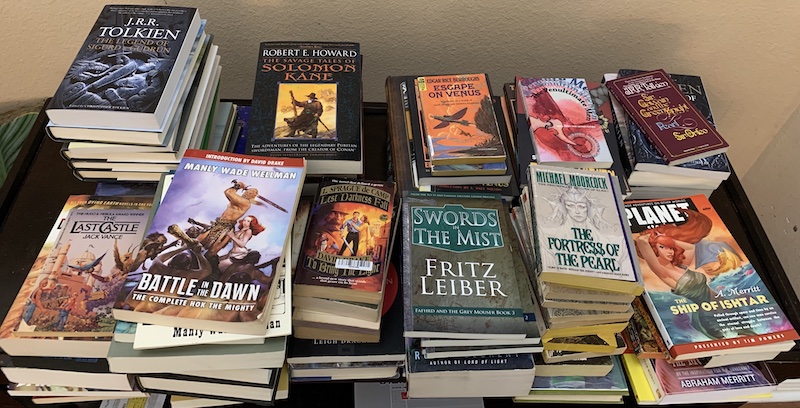
Years after 1st Edition D&D was published, Gygax’ secretary was interviewed. She said she was pleased with the Appendix N list because it encouraged people to read more. It certainly had that effect on me. However, many people, including Jeffro Johnson, state Appendix N was more than a recommended reading list. They say it was a list of Gygax’ inspirations when making 1st Edition. They go further & claim it will help us understand the context behind the odd rules of early editions of D&D. I can say they are certainly correct. Appendix N definitely helped me understand & appreciate the older editions of D&D.
This reading project was worth the time & expense I put into it. I encourage other RPG fans to take the challenge.
1 Comment
UnusualSword · March 31, 2026 at 1:29 pm
Hello, thanks to Jeffro I am also on this journey.
Getting familiar with the authors, their characters, and also tracking down, buying, and reading the books has been very fun and rewarding process, luckily I still have many left to read for the first time.
Thank you for posting about your journey through Appendix N.
A few thoughts I had while reading:
Initially I also thought I wouldn’t enjoy Margaret St Clair but I am pleased to say Sign of the labrys made a huge impression on me.
Clark Ashton Smith not making the original list is just wrong.
I enjoyed Jack of Shadows but it is a worse Eyes of the overworld, I kept waiting for him to be a thief…
Thank you again for sharing!